Home / How We Run a Job
Process
Three stations. No mystery phases.
Every Gantry project moves through the same three stations, with the same paper at each one. Owners who have built before tell us this page reads like the debrief they wish they had gotten in advance.
Preconstruction
Budget, schedule, and buyout locked before mobilization, with every assumption published.
- Concept budget from our own cost history, week 3
- Re-pricing at SD, 50% DD, 90% CD, variances logged
- Constructability reviews tracked to written resolution
- Long-lead procurement released against allowances
- Milestone ledger drafted and agreed before GMP
Construction
Field operations run on a published takt, a weekly ledger, and a safety program with teeth.
- Weekly owner report: schedule, cost, safety, photos
- Takt boards on framing, decks, and unit turns
- Pre-task plans every crew, every shift
- Monthly cost report reconciled to the penny
- Stop-work authority on every badge, no exceptions
Closeout
Commissioning, documentation, and a warranty that answers the phone in year two.
- Third-party commissioning on systems and envelope
- Closeout binder: as-builts, O&Ms, measured QC data
- Owner training recorded and delivered on video
- Contingency reconciliation, unspent funds returned
- Month-11 warranty walk, scheduled at handover
The reporting cadence
Weekly: the field ledger, one page, photographs included: what was planned, what happened, what changed, and the two-week lookahead. Monthly: the cost report, reconciled to the penny, with every contingency draw and buyout movement named. Quarterly: a schedule health review against the milestone ledger written into your contract.
None of this is exotic. What is unusual is that it arrives without being asked, in the same format, every time, from every Gantry project team. Owners with multiple GCs tell us they calibrate the other reports against ours. That sentence is the entire marketing strategy.
What we ask of owners
Decisions on the dates the ledger says decisions are due. A single point of authority for changes. And a willingness to hear bad news early, because early bad news is cheap and late bad news compounds. In exchange you get a builder who never makes you ask how it is going.
The process, applied
Related projects
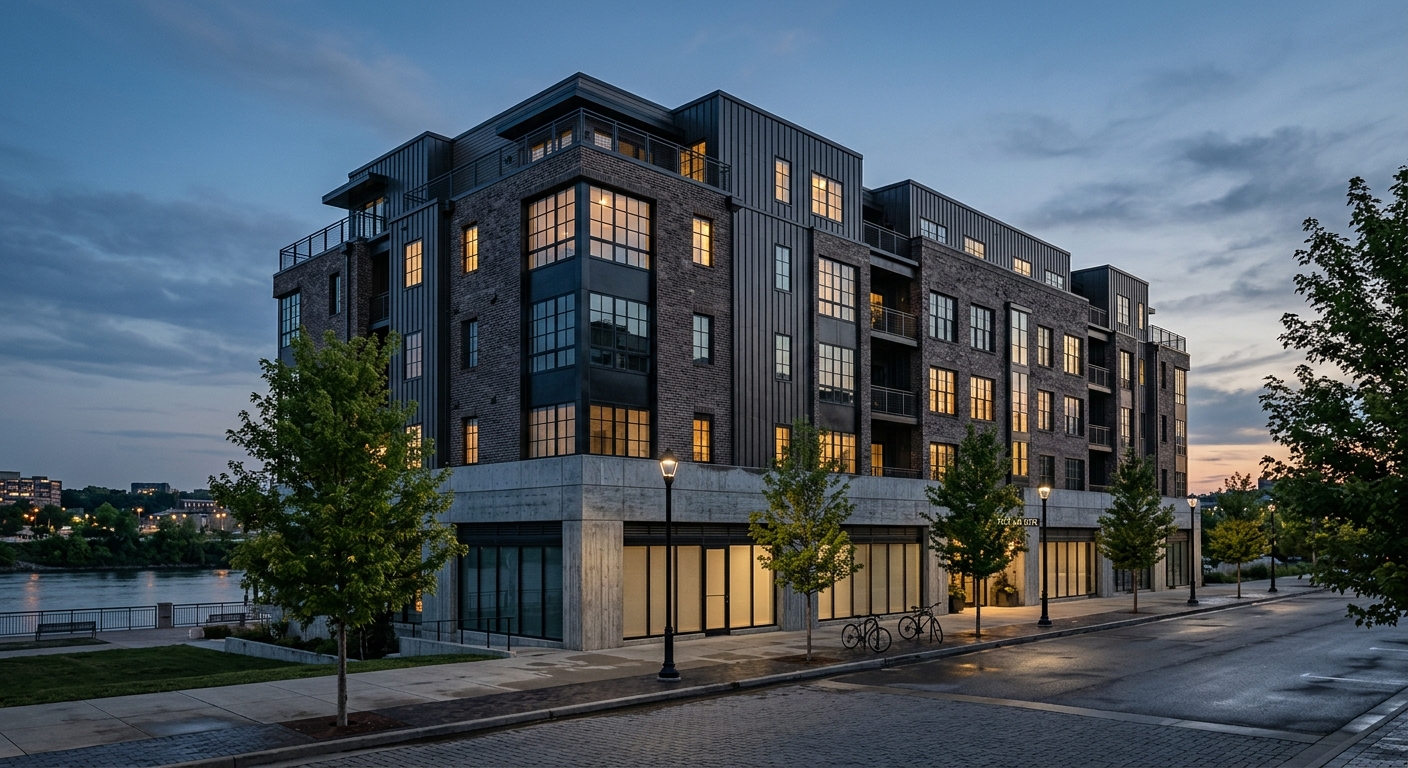
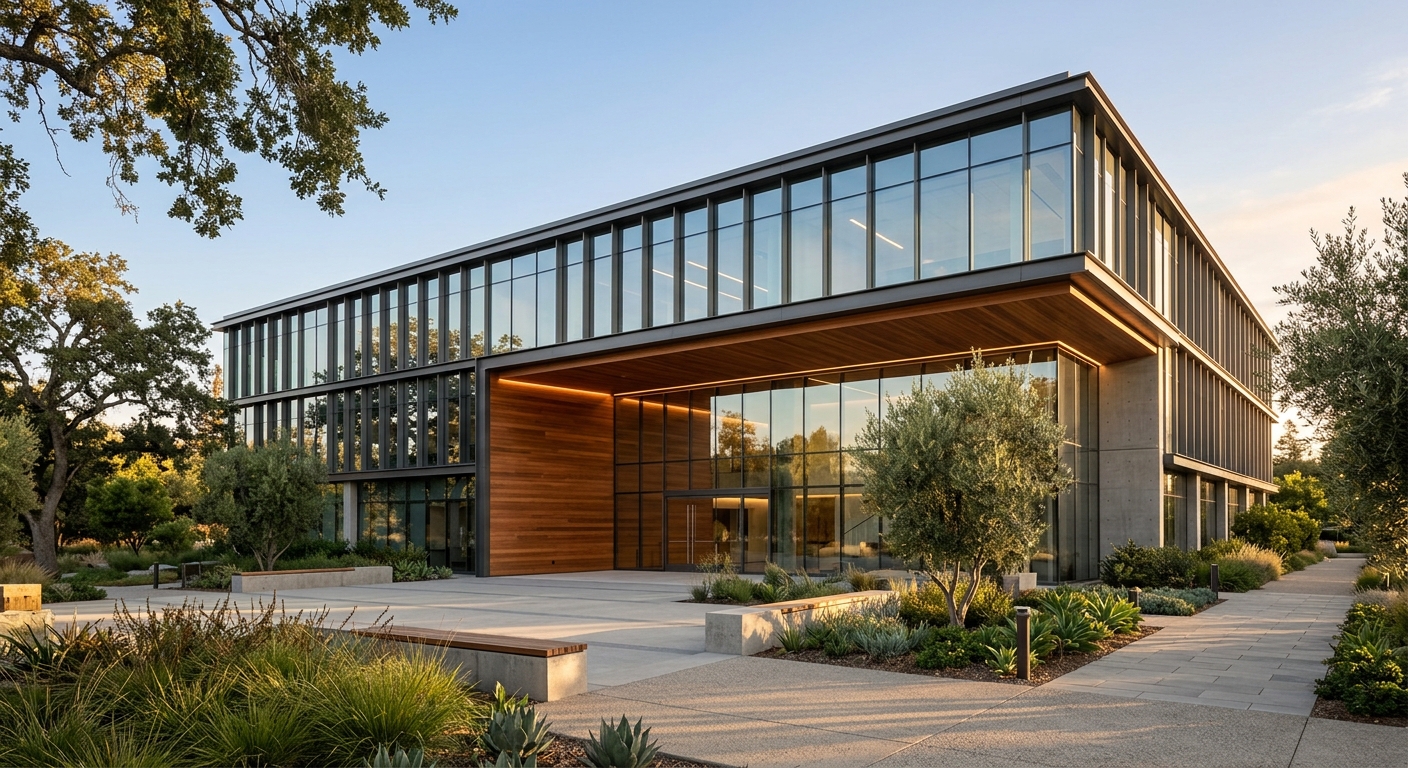
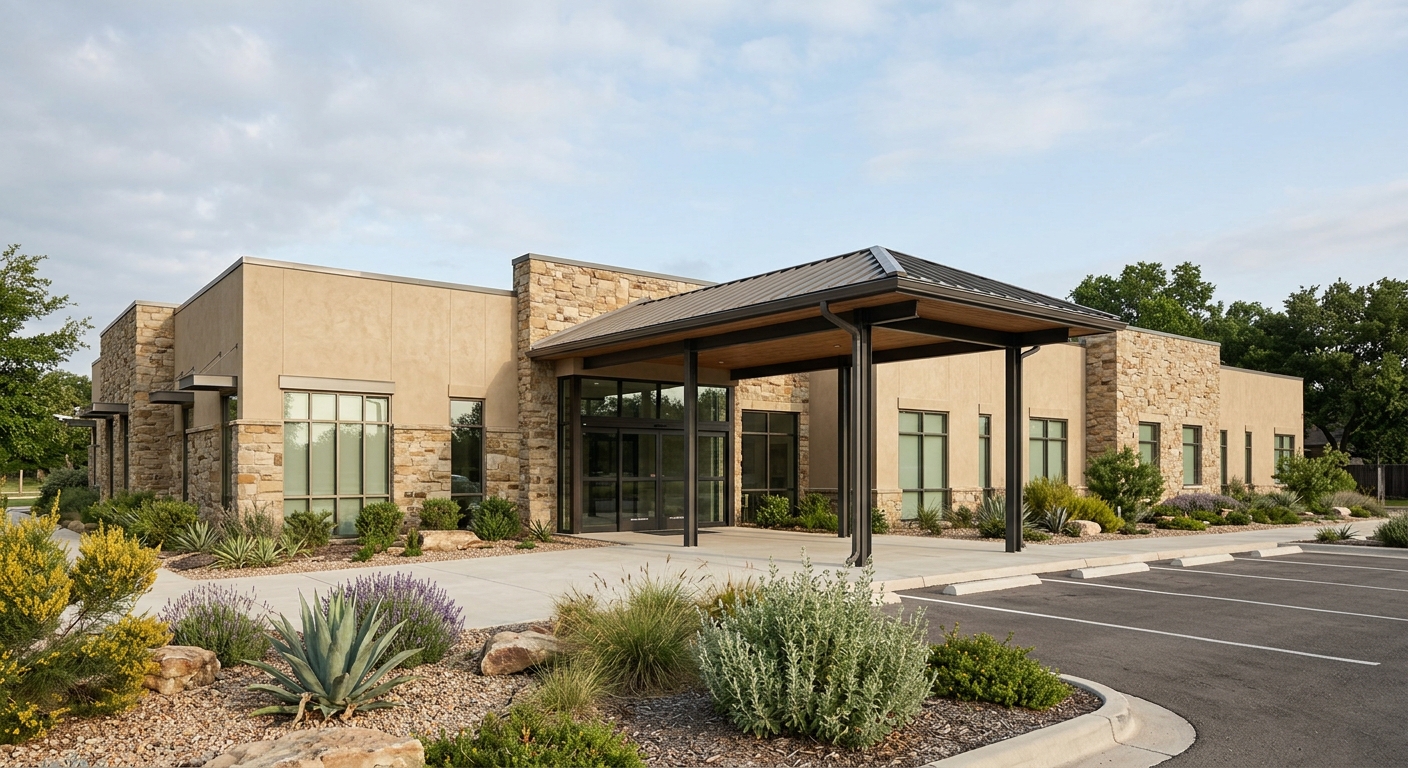
Start a project
Have a project going to bid?
Send the drawings, the napkin sketch, or just the pro forma. You will have a real conversation with our preconstruction team within two business days, and a concept budget within three weeks.