A design-build studio in Madison, Wisconsin · Kitchens, baths, and whole homes (555) 041-2100
Room to grow

Home additions

The best addition is the one your neighbors cannot find. New square footage should borrow the original house's roof pitch, its window rhythm, its trim logic, and then quietly do a job the house could never do before: a garden room on the south light, a primary suite over the garage, a mudroom that finally absorbs a Wisconsin winter. We design additions as architecture, not as boxes bolted to siding.

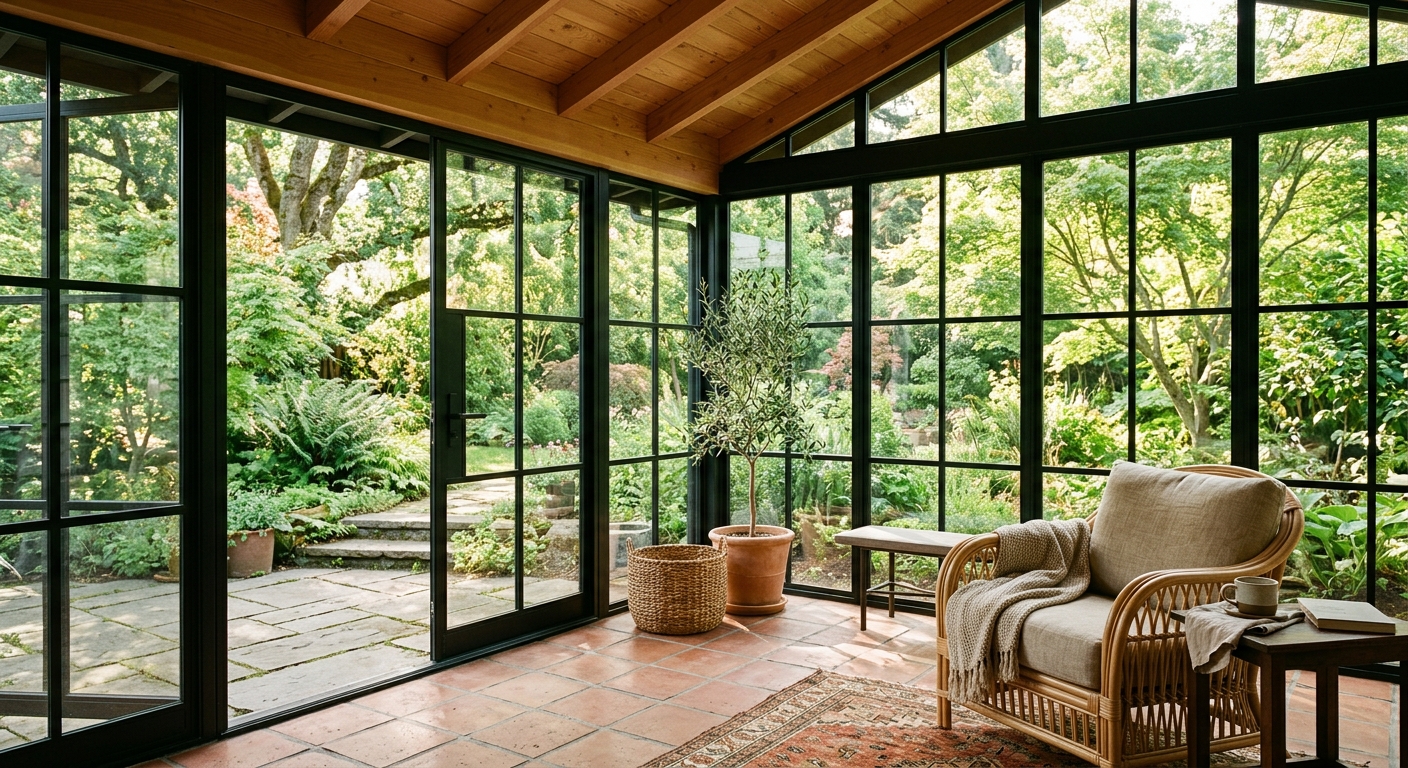
Sunlit garden room addition with floor-to-ceiling steel windows, warm wood ceiling, and terracotta tile floor
How we approach it

The Wrenhouse way with additions

Additions live or die at the seam. Matching a 1948 roofline, weaving new siding into old, aligning floor levels across a foundation joint: this is the technical heart of the work, and it is where our carpenters spend their reputation. We model the massing early so you can see the addition from the street before it exists, and we step rooflines down deliberately so the new work defers to the original house.

The other half of addition work is below the frost line and inside the walls: foundations engineered for our clay soils, insulation that outperforms the original house, and mechanical systems extended properly rather than stretched thin. An addition that is the coldest room in the house is a failed addition, however good the photos look.

What is included
  • Architectural design and 3D massing studies
  • Foundation engineering and excavation
  • Full envelope: framing, roofing, siding, windows
  • Seam work matched to the original house
  • HVAC extension or dedicated zones
  • Interior finish to match or intentionally contrast
  • Zoning review, permits, and inspections
  • Two-year workmanship warranty

What it costs

Additions run on square footage and complexity: most Wrenhouse additions land between $180,000 and $350,000, with garden rooms and mudroom additions below that and two-story additions above (illustrative demo ranges). Site work and foundations make small additions cost more per square foot than large ones, and we will show you that math before you choose a size.

See the full investment guide →

How long it takes

Design, engineering, and permitting typically run 10 to 14 weeks; construction runs 12 to 18 weeks. Because the work is additive, most families keep their whole house until the final weeks, when we open the connection.

Walk through the process →
Proof, with its facts attached

A recent addition story

Sunlit garden room addition with floor-to-ceiling steel windows, warm wood ceiling, and terracotta tile floor
04 · Westmorland

The Garden Room Addition

280 new square feet that changed how the whole house faces: a steel-windowed garden room off the kitchen, warm in February, open in July.

Square feet280
Weeks on site14
Investment band$210k to $250k
NeighborhoodWestmorland

Illustrative demo figures; not a real project record.

Read the story →

We interviewed four firms. Wrenhouse was the only one that talked about our mornings instead of their portfolio. The garden room is now where everything in our family actually happens. Chidi and Amara O. · Addition, Westmorland · Fictional demo review
Common questions

Asked in almost every first conversation

Will an addition be allowed on our lot?

Madison zoning governs setbacks, lot coverage, and height, and older neighborhoods add their own wrinkles. We run a zoning review in the first two weeks of design, before you fall in love with a plan the city will not approve.

How do you match the existing house?

Roof pitch, eave depth, window proportions, and trim profiles first; materials second. When a perfect material match is impossible, we recommend an intentional contrast rather than a near miss, because near misses are what make additions look stuck on.

Is it cheaper to add up or add out?

Adding out costs foundations and yard; adding up costs structure and stairs, and usually means moving out for part of the build. Neither is universally cheaper. We price both directions in feasibility if your lot allows both.

All frequently asked questions →

Start here

Talk to a designer about your addition.

A first conversation costs nothing and commits you to nothing. Bring your questions, your rough budget, and the thing about your house that drives you crazy.

Start a conversation Or call the studio: (555) 041-2100