
How to Build a Balanced Plate
A simple, flexible framework for putting together meals that keep you satisfied and energized, no measuring required.
ReadFiber rarely gets the spotlight, but it may be the most underrated part of an everyday diet. Here is why we care about it.
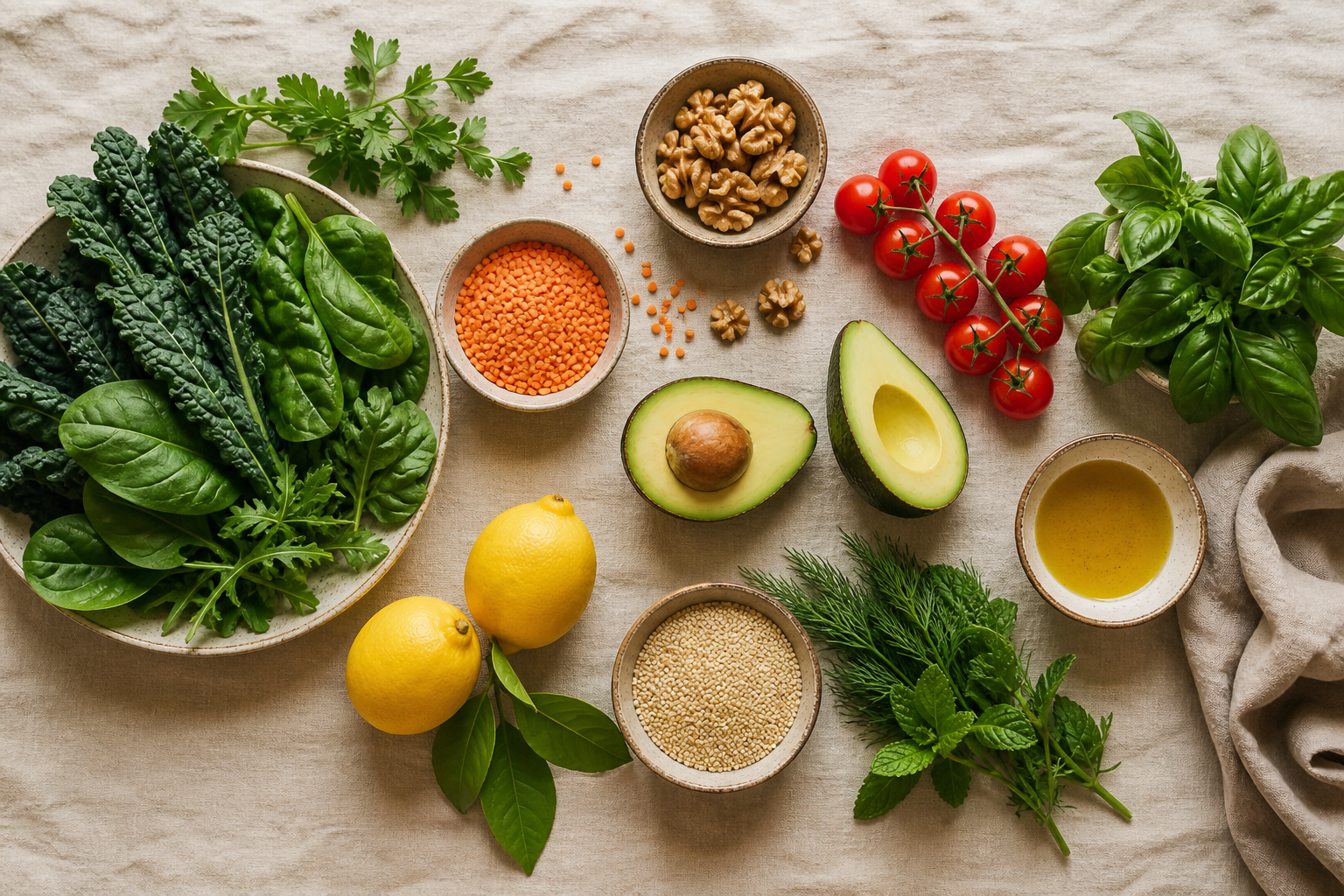
If we could nudge one thing on most plates, it would be fiber. It is humble, unglamorous, and does a remarkable amount of quiet work.
Fiber is the part of plant foods your body does not fully digest, and that is exactly the point. It adds bulk and slows things down, which helps meals feel satisfying and supports comfortable digestion. Many people eat well under the amount generally recommended, simply because plants get crowded off the plate.
The good news is that fiber lives in genuinely delicious places: beans and lentils, whole grains, vegetables, fruit, nuts, and seeds. You do not need a supplement or a special product. You need a few more plants, a few more times a week.
If you are adding more fiber, do it gradually and drink plenty of water alongside. A sudden jump can feel uncomfortable, while a steady increase gives your body time to adjust. Small, consistent changes win here, as they usually do.
This is general wellness information, not medical advice. If you have a digestive condition or specific dietary needs, talk with your doctor or a registered dietitian about what is right for you.
A simple, flexible framework for putting together meals that keep you satisfied and energized, no measuring required.
Read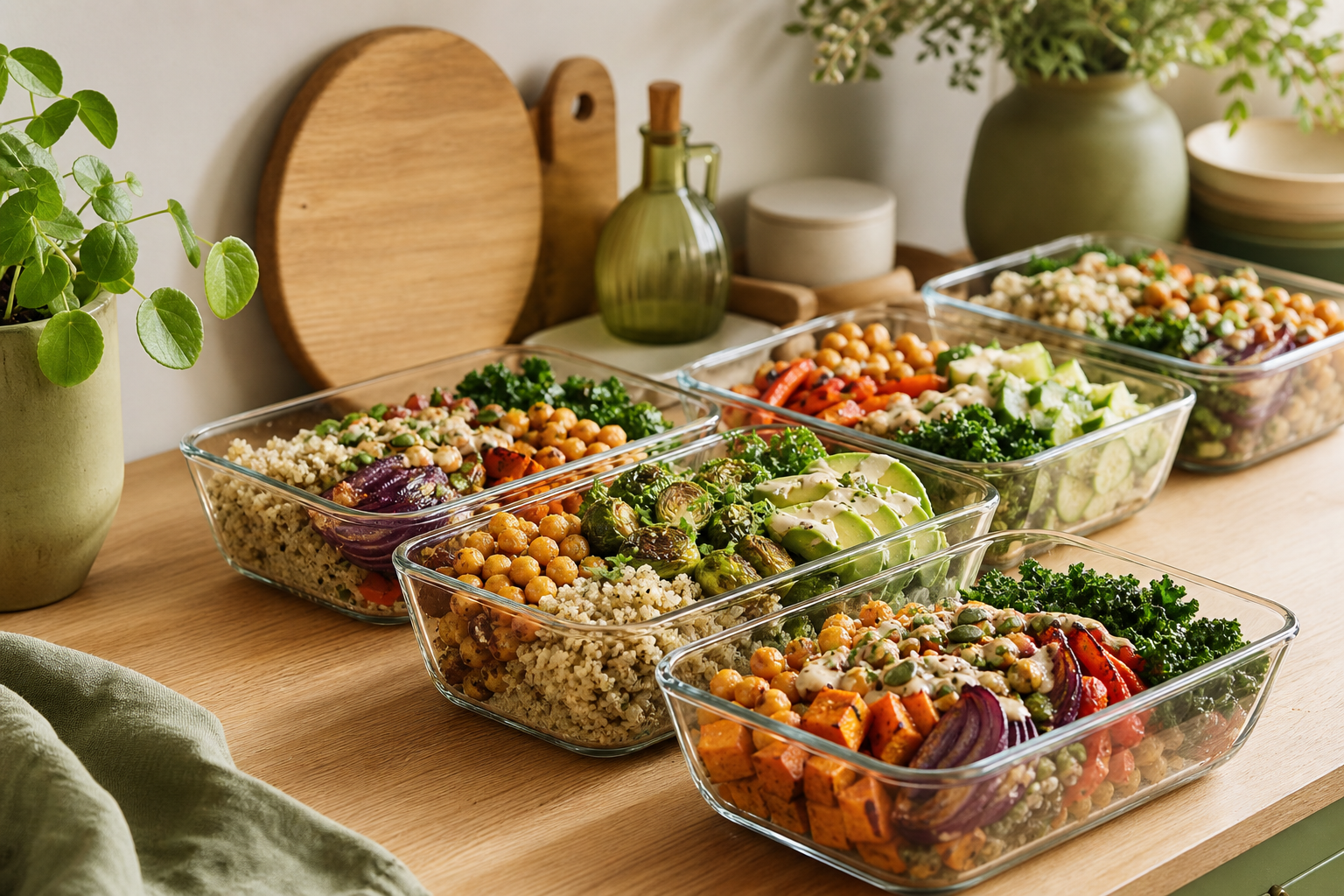
You do not need twelve matching containers and a lost Sunday. A lighter approach to prepping that actually sticks.
Read
Seasonal eating is less a rule and more a rhythm. It brings variety, flavor, and a nice connection to where you live.
Read