The approach
Four phases. The last one never ends.
A building that will stand for a century is decided long before its first drawing and cared for long after its last inspection. This is the whole arc, in the order we actually live it.
Phase 01
Acquire
We buy fewer sites than any comparable developer, and we buy them slowly. A parcel qualifies when three things align: a street that deserves better than it has, a program the neighborhood can name without our help, and ground we can hold unleveraged through any cycle. We have waited eleven years for a corner before. The building is still there; so are we.
- Unleveraged land positions held through cycles
- Corner and gateway sites over mid-block assemblies
- Structures worth keeping are kept, not cleared
- No site contingent on selling another
Phase 02
Entitle
Entitlement is where developers usually spend their reputation. We treat it as where ours is earned. Massing studies go to abutters before they go to brokers; ground-floor programs are negotiated with the people who will walk past them daily; and the commitments we make in a church basement are recorded against the land, so they survive us. Our approvals take longer and appeal less, which is faster.
- Neighborhood sessions before lender sessions
- Community commitments recorded against the deed
- Ground-floor programs set with abutters
- One scheme presented, the same scheme built
Phase 03
Build
We hold the builder's contract ourselves and sit our own superintendent on every site, because the decisions that decide a building's second fifty years are made in its first thirty months. Stone, bronze, brick, and roofing trades are contracted directly, mock-ups are approved in the weather they will live in, and nothing structural is hidden that has not been photographed, logged, and archived for the stewards who come after us.
- Owner-led delivery, superintendent on site
- Craft trades held directly, not nested in bids
- Full-scale facade mock-ups approved outdoors
- A century archive of what is behind every wall
Phase 04
Steward
Because we never sell, handover is a phase change, not a goodbye. Every holding gets a named steward, a maintenance endowment funded at completion, and a century calendar: facade surveys on a fixed cycle, systems renewed before failure, and the archive kept current as the building is cared for. Residents keep one phone number for the life of their tenancy. It is answered by a person whose job is only this building.
- One named steward per building
- Care endowment funded at completion
- Facade survey and renewal on a fixed cycle
- The building archive maintained for successors
Why it holds
Permanence is a discipline, not a style.
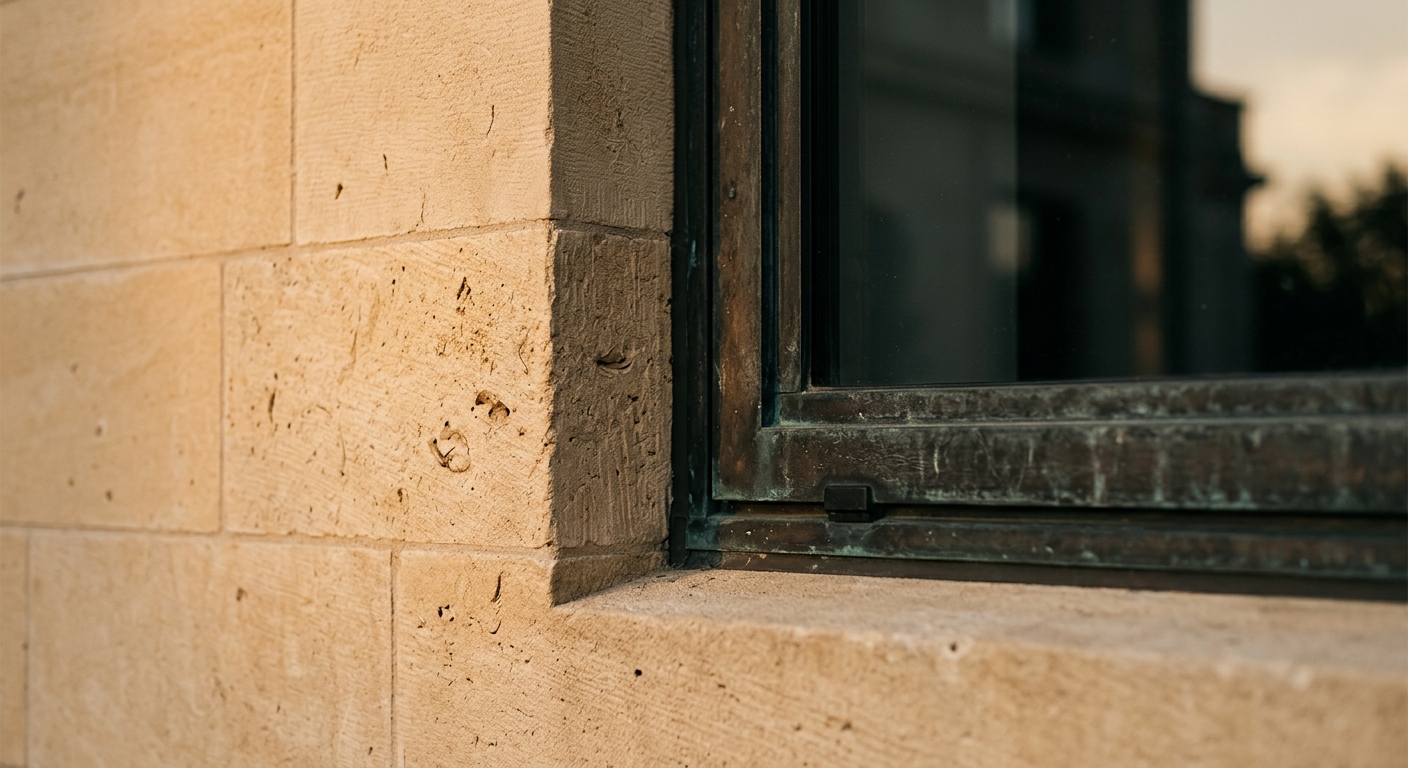
Stone depths, glazing, roof assemblies, and mechanical rooms are all specified against the same question: what will a steward standing here in fifty years wish we had done?
The answer is usually invisible, occasionally expensive, and always cheaper than doing it twice.
The stewardship programBegin a conversation
Start at phase zero: talk to us.
Whether you hold a site, represent a neighborhood, or steward an institution's land, the arc begins with an unhurried conversation.